Demolition & Removal
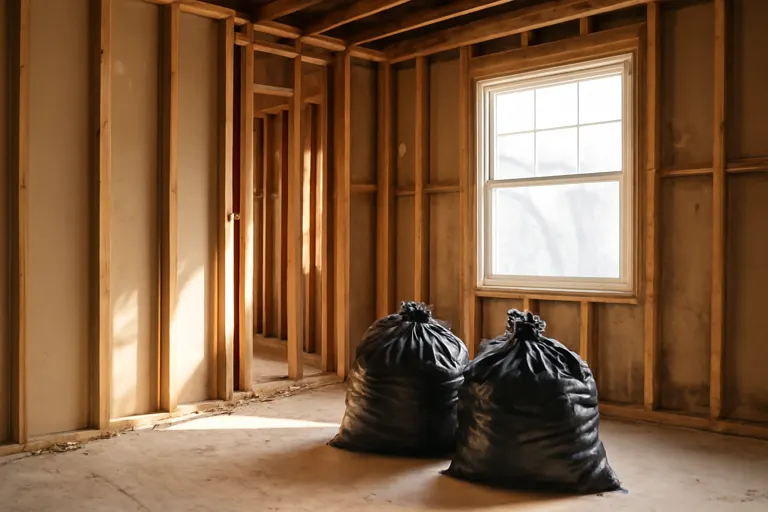
Every renovation starts with getting the old out — safely and cleanly. Kitchen and bathroom rip-outs, flooring and tile removal, drywall demolition, deck and fence teardown, and hauling away the debris.
Homes built before the 1990s can contain designated substances like asbestos in certain materials; where that risk exists, testing and licensed abatement come before demolition, not after.
Demolition & Removal services in Ontario
Also available by quote
Demolition and debris removal in Ontario
Removal jobs are priced by volume, weight and access. Heavy materials such as tile, concrete, plaster and shingles hit a bin's weight limit long before it looks full, and stairs, narrow hallways and condo elevators slow the carry-out. Selective interior demolition costs more than it appears, because the crew has to protect everything that stays: finished floors, neighbouring walls, and plumbing and wiring that will be reused. Sorting metal, clean wood and drywall can sometimes lower disposal charges at transfer stations.
Homes built before the 1990s may contain asbestos in vinyl floor tiles, pipe wrap, plaster, drywall compound and vermiculite, and older paint may contain lead. Ontario's rules on designated substances mean these should be identified before demolition starts, and if they're found, a qualified abatement contractor removes them first. Ask any demolition crew how they shut off and cap utilities, how they keep dust out of the rest of the house, and where the debris ends up. For junk removal, ask what gets recycled or donated, and whether items like mattresses, electronics or paint cans carry extra charges.
Placing a bin on a city street usually needs a municipal permit, while a bin in your driveway generally doesn't, though boards underneath protect asphalt and interlock. Spring cleanups and month-end move-outs are the busiest times. For a quote, list what needs to be removed or demolished, add photos of the items or the room, and explain where the crew can park and how they'll get in. Quotes are free and there's no obligation.
Common questions
Do I need an asbestos test before renovating?
What can't go in a junk removal bin?
Is it cheaper to rent a bin or hire a junk removal crew?
Can I remove an interior wall myself?
Need demolition & removal work?
Describe the job — big or small — and get a free quote.