Insulation & Energy
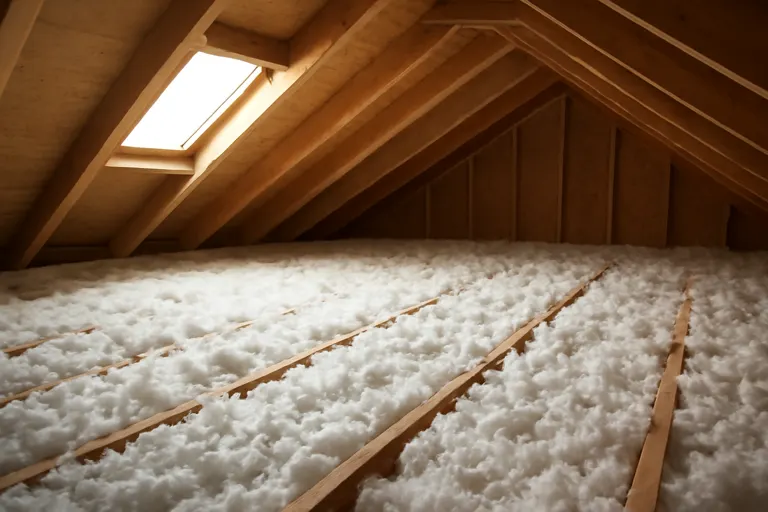
Insulation is the least glamorous upgrade with the most reliable payback in a heating climate like Ontario's. Topping up a thin attic, insulating basement walls before finishing, and sealing air leaks around rims, doors and attic hatches all cut heating bills year after year.
We quote blown-in and batt attic insulation, spray foam where it's the right tool, basement and wall insulation, weatherstripping and air sealing.
Insulation & Energy services in Ontario
Also available by quote
Insulating and air sealing an Ontario home
Attic insulation is usually the least expensive upgrade to do well, because access is simple and blown-in cellulose or fibreglass goes down quickly. Costs rise with obstacles: a low-slope attic with little headroom, a finished attic with sloped ceilings, or old insulation that has to come out first. Air sealing the attic floor around top plates, plumbing stacks, light fixtures and the hatch should happen before new insulation goes on; otherwise warm, moist air keeps leaking into the attic. Insulating the walls of a finished older home means dense-packing through small holes that then need patching.
Some Ontario attics contain vermiculite, a loose, pebbly fill that is usually grey-brown or gold and may be contaminated with asbestos. Don't disturb it: have it tested, and if it's positive, an abatement contractor must remove it before other work proceeds. Active knob-and-tube wiring shouldn't be buried under insulation either. Ask installers what insulation level they're aiming for, how they'll keep soffit vents open with baffles, and whether they'll insulate and weatherstrip the attic hatch. Government efficiency programs have often required an energy assessment before and after the work, so check before you start if you hope to claim a rebate.
Attic work is most comfortable for crews in spring and fall, since summer attics get dangerously hot. Basement wall insulation fits naturally into a finishing project, and upgrading insulation before replacing a furnace can let you choose smaller equipment. For a quote, tell us the home's age and which areas you want done, and include photos taken from the attic hatch showing the current insulation, plus notes on any drafty rooms.
Common questions
How much attic insulation do I need in Ontario?
What does vermiculite insulation look like?
Is spray foam insulation worth it?
Why is one room in my house always cold?
Need insulation & energy work?
Describe the job — big or small — and get a free quote.