Carpentry
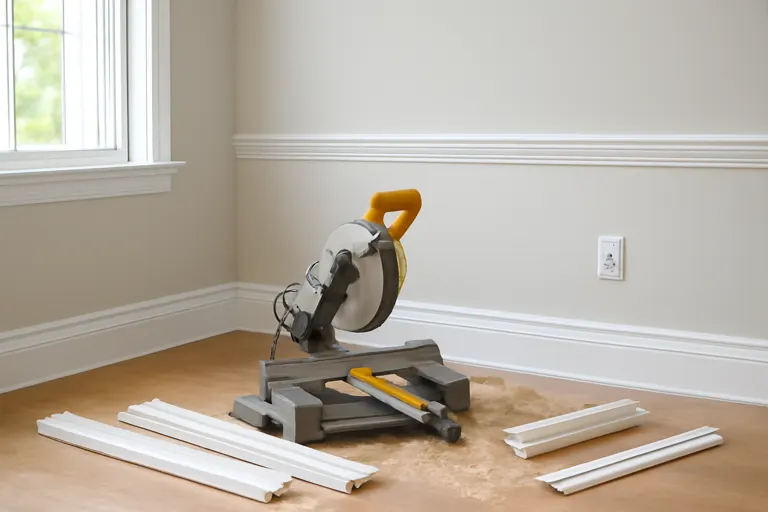
Good carpentry is what makes a house feel finished: crisp baseboards and casing, crown moulding, built-in storage, a repaired stair or a custom closet that actually fits your things.
We quote finish carpentry, custom builds and honest wood repairs — from replacing one damaged baseboard to trimming out an entire renovation.
Carpentry services in Ontario
Finish Carpentry
Finish carpentry across Ontario — tight mitres, scribed fits and clean reveals on trim, doors, built-ins and repairs. Get a free quote.
Trim, Baseboard & Crown Moulding
Baseboards, casing and crown moulding installed with tight joints and clean caulk lines. Free quotes for one room or a whole house.
Also available by quote
Hiring a finish carpenter in Ontario
Carpentry is priced by the linear foot, by the piece or by the day, and the house matters as much as the wood. Older homes rarely have square corners or level floors, so crown moulding and baseboard need scribing, coping and shimming that take longer than in new construction. Material choice shifts the cost as well: primed MDF is economical for painted trim, while oak, maple or poplar for stain-grade work costs more and demands tighter joinery. Built-ins add design time, finishing, and often an electrician for integrated lighting.
Look at photos of finished work, especially close-ups of inside corners, mitred casing and the places where built-ins meet uneven walls. Those details reveal skill better than wide shots. Ask whether painting or staining is included or left for a painter, and whether nail holes will be filled and joints caulked. For stairs and railings, ask how the new guard will meet Ontario Building Code requirements for height and baluster spacing, because replacing a railing is a safety job as much as a style upgrade. Structural stair changes may require a permit.
Interior trim should go in after flooring and once the house is at normal humidity, because wood moves with Ontario's dry winters and humid summers. Small gaps at joints after the first heating season are common and are usually touched up. Custom pieces spend time in the shop before installation, so allow for that in your schedule. To request a quote, describe the rooms and the trim or built-in you have in mind, share inspiration photos alongside pictures of the space, and include rough measurements. There's no charge for the quote.
Common questions
Should baseboards go in before or after flooring?
Is MDF or solid wood better for trim?
Can a carpenter fix a squeaky staircase?
Why are there gaps in my crown moulding corners?
Need carpentry work?
Describe the job — big or small — and get a free quote.