Exterior & Outdoor Structures
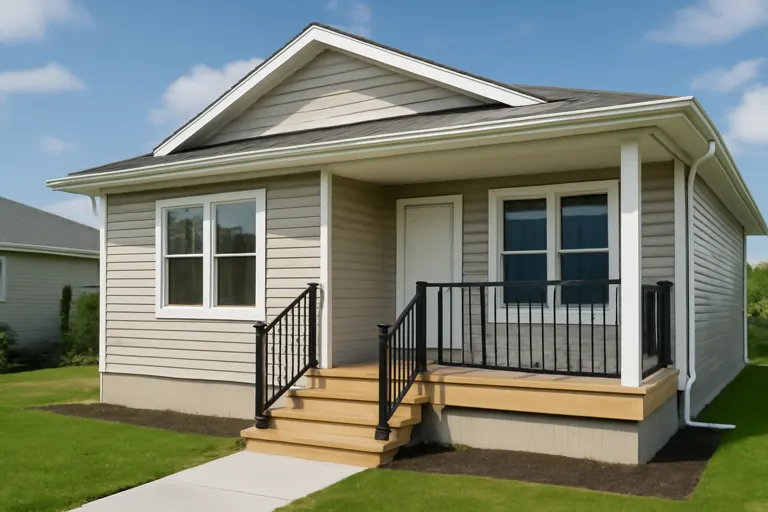
Ontario weather is hard on exteriors. Freeze-thaw cracks concrete and mortar, sun fades siding, and winters age decks and fences fast. Keeping the shell of your home sound protects everything inside it.
We quote siding, brick and masonry repair, tuckpointing and parging, concrete walkways and steps, deck building and restoration, fence installation and repair — small patches and full rebuilds alike.
Exterior & Outdoor Structures services in Ontario
Siding Installation & Repair
Siding installation and repair across Ontario — vinyl, aluminum and Hardie board, from patching wind damage to residing the whole house.
Brick & Masonry Repair
Brick and masonry repair in Ontario — tuckpointing, spalling brick replacement and chimney work before freeze-thaw makes it worse.
Concrete Repair
Concrete repair for Ontario homes — cracked steps, spalling walkways, settled slabs and resurfacing, quoted from your photos.
Deck Building
Custom deck building in Ontario — pressure-treated, cedar or composite, with footings below frost line and permits sorted in the quote.
Deck Repair & Restoration
Deck repair and restoration in Ontario — rotten boards, wobbly railings and sinking posts fixed before they end the season early.
Fence Installation
Fence installation across Ontario — wood, vinyl and chain link with posts set below frost line so they stay straight through winter.
Fence Repair
Fence repair in Ontario — leaning posts, broken boards and storm damage fixed fast, often for less than you'd expect.
Also available by quote
Exterior repairs and outdoor structures in Ontario
Exterior work is priced by the condition of what's underneath as much as by the material going on. Siding over rotted sheathing, brick with water-damaged backing, or concrete steps sitting on washed-out fill all cost more once exposed. With masonry, the mortar has to suit the brick: soft older bricks relaid with a hard modern mortar tend to crack and lose their faces, so matching the mix matters on older houses. Deck prices move with size, height, material (pressure-treated lumber, cedar or composite), railings and stairs, and footings that must reach below the frost line.
In most Ontario municipalities, a deck attached to the house or built well above grade needs a building permit, with drawings showing footings, beam sizes and guards. Fences fall under municipal bylaws on height and placement, with stricter rules around pools. Before anyone digs a post hole or footing, a free locate request through Ontario One Call is required so buried gas, hydro and cable lines are marked. Ask contractors how they flash a deck ledger against the house wall, which fasteners and connectors they use, and who prepares the permit application.
Mortar and concrete need above-freezing temperatures to cure, so most of this work runs from spring to late fall, and good contractors fill their calendars by early summer. Spring is the time to assess winter damage such as heaved steps, cracked parging or loose siding panels. Road salt and de-icers eat into concrete, so plan repairs before the next winter arrives. For a quote, send photos from a few angles with a measurement or two, describe the problem, and mention whether the structure is attached to the house.
Common questions
Do I need a permit to build a deck in Ontario?
What is tuckpointing and when is it needed?
Why is my concrete driveway flaking?
Should I repair or replace a rotting deck?
Need exterior & outdoor structures work?
Describe the job — big or small — and get a free quote.