Tile & Stone
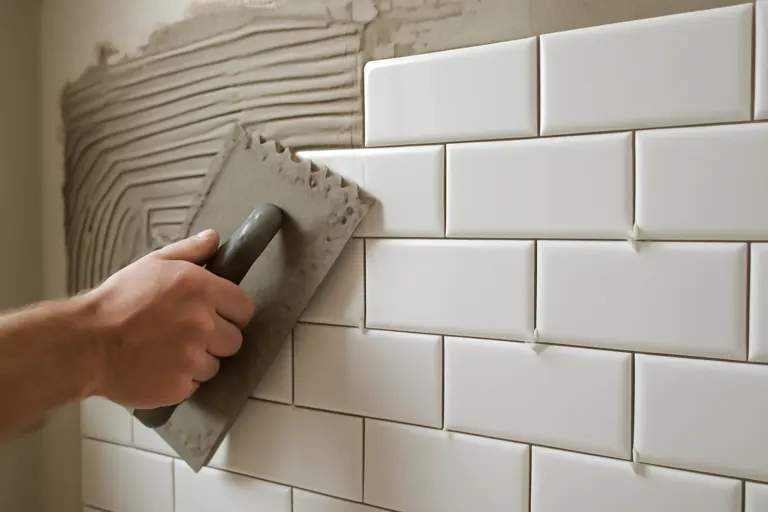
Tile done well lasts decades; tile done badly telegraphs every shortcut. Flat substrates, proper waterproofing in wet areas and clean grout lines are what we quote for — in kitchens, bathrooms, entryways and laundry rooms.
We also fix what's already there: cracked tiles, failing grout, stained silicone and hollow spots. A regrout can make a tired bathroom look new for a fraction of the cost of retiling.
Tile & Stone services in Ontario
Tile Installation
Tile installed flat, straight and waterproofed where it counts — floors, walls and showers in ceramic, porcelain or stone. Free quotes.
Grouting & Regrouting
Regrouting makes a tired shower or floor look new for a fraction of retiling — old grout cut out, fresh grout in, silicone redone. Free quotes.
Also available by quote
Tile installation and repair in Ontario
Tile pricing depends heavily on the tile itself. Large-format porcelain needs a very flat substrate and often two installers to handle; small mosaics take longer per square foot; natural stone needs sealing and careful handling. Herringbone, chevron or diagonal layouts mean more cuts and more waste. Before any tile goes down, the floor may need levelling, extra stiffening or an uncoupling membrane, and wet areas need waterproofing. Removing old tile is heavier work than most people expect, especially tile set in the thick mortar beds found in many older Ontario homes.
Ontario homes bring their own challenges. Entryways where boots track in road salt and meltwater need grout and sealers that stand up to it, and floors over garages or crawl spaces move more with temperature. Heated floors under tile are popular and need an electrician to connect. Ask the installer which thinset and membrane they plan to use, how they'll handle movement joints at the perimeter and at inside corners (flexible sealant, not grout), and whether they'll lay out the room first to avoid thin slivers at doorways. Photos of their finished showers tell you a great deal.
Tile work happens year-round indoors, but the room must stay above the minimum temperature listed on the setting materials, and grout needs to cure before heavy use or water. Regrouting is a sensible fix for a sound installation with stained or crumbling grout and is usually a one- or two-day job. To get a quote, give room dimensions, say which tile you've chosen or are considering, and upload photos of the existing floor or walls, including any cracked tiles or hollow-sounding spots.
Common questions
When should I regrout instead of retiling?
Why do my floor tiles keep cracking?
Is epoxy grout better than cement grout?
Can you tile over existing tile?
Need tile & stone work?
Describe the job — big or small — and get a free quote.